
Knowledge
Telemedicine and Fiber Optics: Virtual Doctor Visits Explained

Imagine you wake up and feel sick. You use telemedicine fiber to talk to your doctor at home. The video call starts fast and you see your doctor clearly. Your doctor hears you right away and gives advice quickly. Fiber internet is fast and works well. It helps doctors see symptoms and answer fast. With telemedicine fiber, your health data stays safe. This technology helps more people get care, even far away. Later, you will hear from a doctor who uses this system daily.
Key Takeaways
-
Telemedicine fiber gives you fast internet. You can have clear video calls with doctors. Videos load quickly and images are not blurry.
-
Real-time video calls have low delay. You can talk easily with your doctor. Fewer technical problems make your visit better.
-
Fiber optic networks keep your health data safe. They use strong tools to protect your information from hackers.
-
Telemedicine fiber lets more people get healthcare. You can talk to doctors in far places. You do not need to travel.
-
Using telemedicine fiber saves time and money. You do not wait long in clinics. You spend less on travel, so healthcare is easier.
Telemedicine Fiber Essentials
High-Speed Connections
When you use telemedicine fiber, you get very fast internet. Fiber optic networks send data using light. This lets you send and get information almost right away. Fast internet is important for virtual doctor visits. It helps you see and hear your doctor clearly. You do not have to wait for videos to load. You also do not have to worry about blurry pictures.
-
Fiber optic networks can go as fast as 10 Gbps.
-
Older T1 lines give 1.544 Mbps, and T3 lines give 44.736 Mbps.
-
Some video systems work with slower speeds, but the quality gets worse if the internet is too slow.
Deploying specialized medical fiber solutions for telemedicine allows clinics to send high-resolution medical images and test results almost instantly, helping doctors make faster, more accurate diagnoses.
Tip: Fast internet helps clinics finish work faster. This makes your appointment easier and saves time.
Real-Time Video Calls
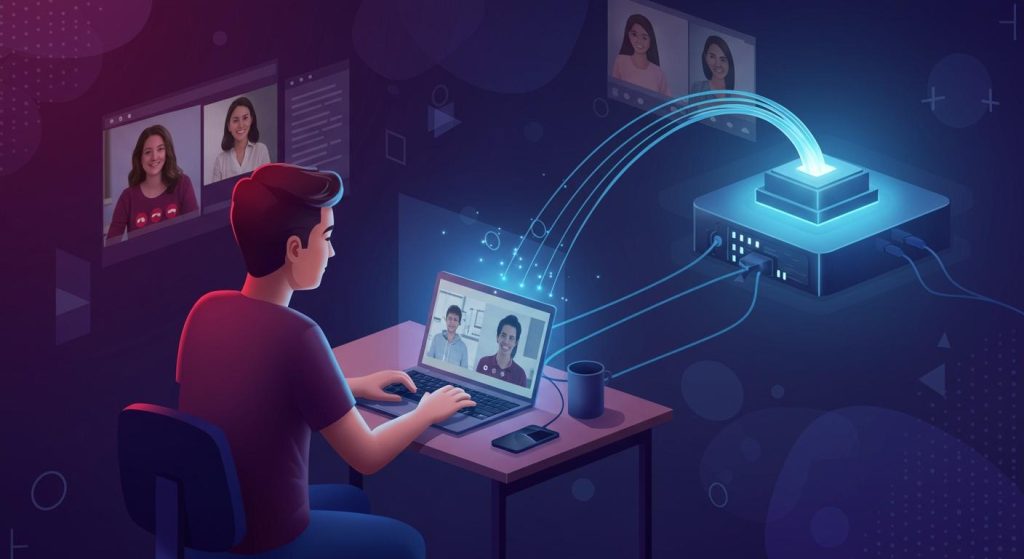
Telemedicine fiber lets you have real-time video calls. You can talk to your doctor face-to-face, even if you are far away. Fiber has low latency, so there is almost no delay. You and your doctor can talk without long pauses or stops.
Fiber networks give equal upload and download speeds. This keeps your video and sound clear for both people. You do not have to worry about choppy sound or frozen screens. Clinics with fiber internet have up to 80% fewer call problems. This means you talk to your doctor more and fix tech issues less.
|
Use Case |
Description |
|---|---|
|
Real-Time Telemedicine |
Video visits and sharing medical records between doctors and patients. |
|
Enhanced Medical Imaging |
High-quality images for better diagnosis with MRI and CT scans. |
|
Improved Patient Monitoring |
Watching vital signs all the time with wearable devices and sensors. |
Reliable and Stable Service
Reliability is very important in healthcare. Telemedicine fiber gives you a steady connection you can trust. Fiber optic networks used in telemedicine are reliable 99.98% of the time. This means your call will almost never drop, even when it is busy or stormy.
-
Fiber networks send data with light, so there are fewer interruptions.
-
They have enough bandwidth for many people at once, so your visit stays smooth even if others are online.
-
Point-to-point networks help share data right away, which is important for care that does not stop.
You can feel sure your virtual doctor visit will go well. With telemedicine fiber, you get a service you can count on for your health needs.
Security and Data Protection
Safe Patient Information
When you use telemedicine fiber, your health information is protected. Fiber optic networks use special technology to keep your data safe. Your private details only go to you and your doctor. This strong protection stops hackers and keeps your records safe.
Fiber networks help stop common security problems. Here are some risks and how fiber helps:
|
Security Threats |
Description |
|---|---|
|
Unauthorized third-party access |
Stops people who should not see your data from getting in. |
|
File corruption during transmission |
Keeps your files and images complete and accurate. |
|
Fiber-optic line damage |
Reduces the chance of lost or failed information. |
|
Natural disasters |
Keeps your connection strong, even during storms or emergencies. |
🛡️ Tip: Medical-grade fiber networks use special security tools. These tools make sure only the right people can see your health information.
Compliance Standards
Doctors and clinics must follow strict rules to protect your information. These rules include HIPAA. Telemedicine fiber helps meet these standards with secure networks and strong encryption.
Here is how fiber networks help with compliance:
|
Compliance Measure |
Description |
|---|---|
|
Encrypting Data |
Protects your health information while it moves across the network. |
|
Securing Networks |
Makes sure data travels through safe channels. |
|
Authenticating Users |
Checks that only approved people can see your records. |
|
Logging Activity |
Tracks who looks at your information and when. |
|
Preparing for Breaches |
Sets up plans to handle any data leaks quickly. |
|
Formalizing Responsibilities |
Lists what each person must do to keep your data safe. |
You can feel sure your doctor uses a system that keeps your information private. Fiber networks work with other security systems to block hackers and protect your records. By following these steps, healthcare providers avoid fines and keep your trust.
Remote Monitoring and File Sharing
Wearables and Sensors
You can wear special medical devices to check your health all the time. These devices use fiber optic technology to send your health data fast and correctly. Recent advances in wearable optical fiber sensors for medical monitoring utilize Fiber Bragg gratings (FBG), light intensity modulation, and Fabry–Perot interferometry to track vital metrics like breathing patterns and joint movement in real time.You might have these sensors in your clothes, so they feel soft and easy to wear.
Fiber optic connectivity lets your wearable send your health info to your doctor right away. Your doctor sees your data as soon as you record it. This helps your doctor spot changes in your health and act quickly. If you have a long-term illness, your doctor can check your vital signs and help before things get worse.
Note: Wearable sensors with fiber optics make remote care better and more comfy for you.
Fast Medical File Transfer
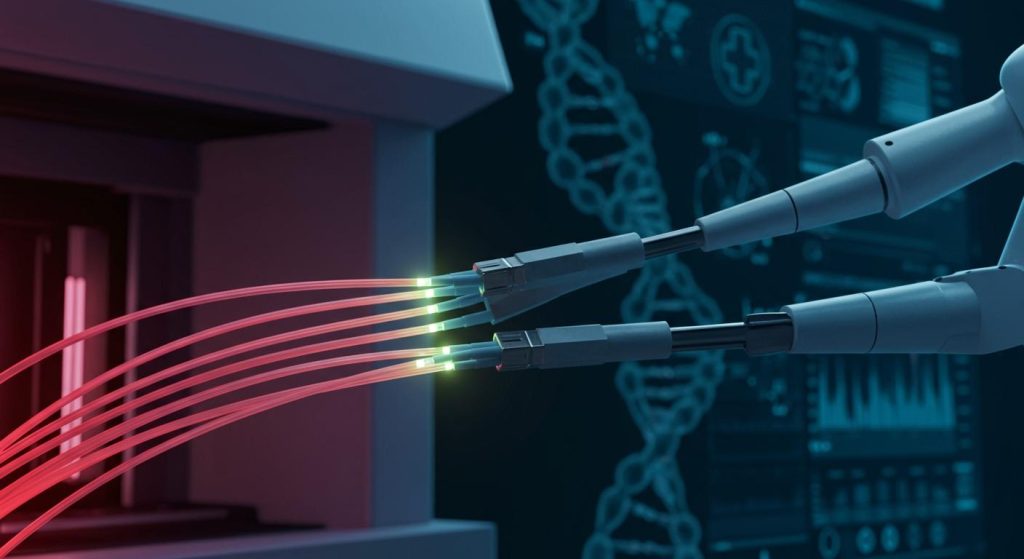
You need quick and safe ways to share medical files with your doctor. Fiber optic technology makes this happen. Hospitals use fiber optics to send big files, like MRIs and CT scans, in just seconds. One radiology image can be over 1GB, but fiber networks can handle these big files easily.
-
Fiber optics give upload and download speeds up to 10 Gbps.
-
You can send and get files almost right away.
-
Doctors can work together faster and make better choices for your care.
Fiber optics use thin glass or plastic fibers to move data as light. This keeps your information safe and private. High bandwidth and low latency mean your files get there fast and without mistakes. You get test results sooner, and your doctor can start treatment quickly.
🏥 Tip: Fast file sharing with fiber optics helps your healthcare team work together and makes your care better.
Telemedicine Fiber Benefits

Expanding Access
Telemedicine fiber lets you talk to your doctor from almost anywhere. It helps people who live far away or in small towns get medical help without traveling. Hospitals and clinics use telemedicine fiber to connect patients with doctors in big cities. Some programs, like Mercy Virtual Care Center, helped rural patients in Missouri. They lowered hospital stays by 32% and saved $34 million. The Veterans Health Administration also saw fewer hospital visits for rural veterans. You can get mental health help, speak to experts, and use AI systems for better checks, all from home. Remote patient monitoring lets your doctor watch your health while you stay at home.
-
You get care even if you live far away.
-
Doctors can work together and help you faster.
-
You can use tele-mental health services for support.
💡 Tip: Telemedicine fiber makes healthcare easier for families who live far from clinics.
Cost and Convenience
Telemedicine fiber saves you money and time. You do not need to travel or wait in busy clinics. Many studies show patients are happy with telemedicine visits. About 55.7% of patients feel satisfied, and only 8.9% feel unhappy. You also save money. Hospitals spend less by cutting repeat scans and mistakes. Fiber optic systems pay for themselves in two to three years because of these savings.
|
Cost Saving Aspect |
Description |
|---|---|
|
Faster Data Transfer |
Quick results and fewer delays. |
|
Reliable Services |
Consistent care for rural and city patients. |
|
Energy Efficiency |
Lower power use means lower bills. |
|
Long-Term Efficiency Gains |
Better workflows and resource use. |
Continuity of Care
You can stay in touch with your doctor and take care of your health every day. Telemedicine fiber works with smart home healthcare tools. You can track your medicine, set up virtual visits, and get counseling from home. This helps people with long-term health problems. You do not need to travel for checkups, and your doctor can watch your health in real time. You get help when you need it, and your care stays on track. Good internet lets you talk to your healthcare team, manage prescriptions, and get advice fast.
🏥 Note: Telemedicine fiber helps you stay healthy and connected, no matter where you live.
Physician Interview
Real-World Insights
Doctors who use telemedicine fiber every day have helpful stories. Dr. Lisa Carter is a family doctor. She talks about her work with virtual visits. She says fiber optic networks help her talk to patients fast and clearly. You get high-speed data, so your video calls do not freeze. You can see your doctor’s face and how they react. This helps your doctor spot symptoms and answer fast.
Doctors say fiber optic telemedicine has many good points:
-
High-speed data lets you talk right away.
-
Better images help doctors find problems.
-
Video calls feel real and easy.
-
Medical records move quickly between clinics.
-
Wearable devices help doctors watch patients all the time.
-
Patient data is safer.
You can check your vital signs at home. Your doctor can find health issues early and keep your info safe. Fiber networks let you use disease tools and join support groups from home. People in the country now get care without breaks.
💡 Tip: Clear video and fast data help your doctor care for you, no matter where you live.
Challenges and Opportunities
Doctors have some problems with telemedicine fiber. Some worry about high tech costs or rules that slow things down. Some doctors are not sure your info will stay private. Others see people who like old ways of care. Doctors also want to stop mistakes in treatment.
|
Challenges |
Solutions |
|---|---|
|
High technical costs |
Teach more people about telemedicine |
|
Legal restrictions |
Remove rules that block telemedicine |
|
Confidentiality concerns |
Train doctors to use telemedicine safely |
|
Resistance from stakeholders |
Talk more with everyone involved |
|
Fear of incorrect treatment |
Build networks for veterans and disabled |
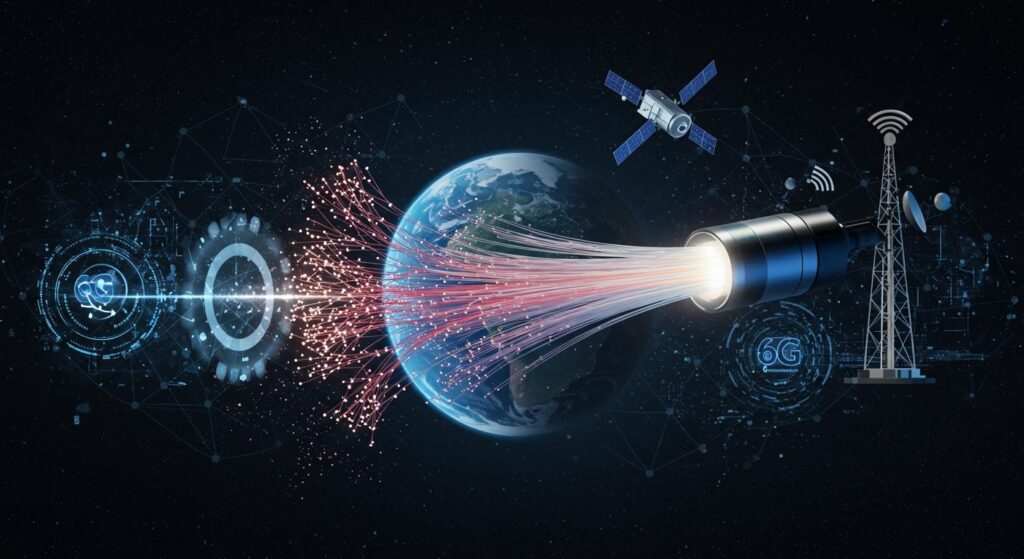
New chances come every year. New tech like 5G and 6G will make telemedicine fiber even faster. More people will use virtual care as the market grows. Doctors can update records fast and work with other experts from anywhere.
Telemedicine fiber makes it easier to talk to your doctor. You see clear video and get fast data. Your records stay safe. New technology gives you more good things:
-
Better connections help you reach doctors anywhere.
-
Sharp images let doctors spot problems and help you more.
-
Quick teamwork means you get answers fast from your care team.
|
Aspect |
Description |
|---|---|
|
Integration with AI |
AI helps doctors find problems and plan your care. |
|
Expansion of Wearable Devices |
Wearables send health data to doctors right away for better checks. |
|
Enhanced Data Security |
Strong security keeps your health details safe. |
Telemedicine fiber will keep getting better. It will make healthcare easier for everyone.






 Fiber Distribution & Termination Boxes
 Fiber Splice Closures
 Fiber Patch Panels
 PLC FIber Optic Splitters
 Fiber Optic Pigtails
 OTDR Launch Cables
 Fiber Optic Adapters
 Fiber Optic Patch Cables